Pet Maintenance Level
Not everyone has the time, space, or energy for a high-maintenance pet, but that does not mean pet ownership is off the table. Plenty of animals fit comfortably into busy lifestyles, requiring far less daily attention than a dog while still offering companionship, stress relief, and the simple satisfaction of caring for another living creature.
✨ Quick Summary: 8 low-maintenance pets ranked from least to most effort, with realistic assessments of daily time, space needs, setup costs, monthly costs, and honest pros and cons for each.
This guide profiles eight pets ranked from least to most effort. A comparison table provides a quick-reference overview, and the final section addresses what “low maintenance” actually means — because every living animal deserves proper care.
The 8 Best Low-Maintenance Pets
1. Betta Fish
Betta fish (Siamese fighting fish) top the low-maintenance list because their daily care requires almost no time, they occupy minimal space, and they are visually striking. A single betta in a properly set up tank is both a pet and a living piece of decor.
- Daily time commitment: 2 to 5 minutes (feeding and visual health check)
- Space needed: 5-gallon tank minimum (despite myths, bowls are too small)
- Initial setup cost: $50 to $100 (tank, heater, filter, decorations, water conditioner)
- Monthly cost: $5 to $15 (food and water conditioner)
- Lifespan: 3 to 5 years
Pros: Minimal daily effort, beautiful to watch, no noise, no odor when properly maintained, no allergies, does not need companionship from other fish.
Cons: Cannot be handled or cuddled, requires consistent water temperature (76-82 degrees Fahrenheit), tank cleaning needed weekly, less interactive than mammalian pets.
2. Leopard Gecko
Leopard geckos are the gateway reptile for good reason. They are docile, do not require UV lighting (unlike many reptiles), tolerate handling well, and eat on a simple schedule. Their small size and calm temperament make them ideal for first-time reptile owners.
- Daily time commitment: 5 to 10 minutes (feeding every other day, spot cleaning, handling)
- Space needed: 20-gallon terrarium minimum
- Initial setup cost: $150 to $300 (tank, heating pad, thermometer, hides, substrate)
- Monthly cost: $15 to $30 (live insects, supplements, substrate replacement)
- Lifespan: 15 to 20 years
Pros: Calm and handleable, no UV light required, quiet, no odor, fascinating to observe, long lifespan, nocturnal so active in evening when you are home.
Cons: Requires live insect feeding (mealworms, crickets), needs specific temperature gradients, long lifespan is a serious commitment, limited veterinary options in some areas.
3. Hermit Crab
Hermit crabs are curious, social (with other crabs), and surprisingly entertaining to observe. They require minimal daily interaction but do need a properly maintained habitat with appropriate humidity and temperature levels.
- Daily time commitment: 5 to 10 minutes (misting, food refresh, observation)
- Space needed: 10-gallon tank minimum for two crabs (they are social and should be kept in pairs)
- Initial setup cost: $80 to $150 (tank, substrate, humidity gauge, heat pad, shells, climbing toys)
- Monthly cost: $10 to $20 (food, substrate, extra shells)
- Lifespan: 10 to 15 years (up to 30 in ideal conditions)
Pros: Quiet, fascinating to observe, minimal space requirements, inexpensive to feed, social behavior between crabs is entertaining.
Cons: Need consistent humidity (70-80 percent) and temperature, not cuddly, should be kept in pairs or groups, surprising lifespan means long-term commitment, molting periods require patience and no disturbance.
4. Cat (Low-Maintenance Breeds)
Cats are the most interactive pet on this list while still being realistic for busy people. Specific breeds known for independence and lower maintenance include British Shorthair, Russian Blue, and American Shorthair. These breeds are content to spend hours alone, groom themselves, and use a litter box without outdoor access.
- Daily time commitment: 20 to 30 minutes (feeding, litter scooping, playtime, affection)
- Space needed: Any size home or apartment
- Initial setup cost: $200 to $500 (adoption fee, litter box, food bowls, scratching post, carrier, initial vet visit)
- Monthly cost: $50 to $100 (food, litter, basic supplies)
- Lifespan: 12 to 18 years (indoor cats)
Pros: Genuinely interactive and affectionate, self-grooming, use a litter box, can be left alone during work hours, provide significant companionship and stress relief.
Cons: Higher cost than other pets on this list, litter box requires daily maintenance, need veterinary care including vaccinations, long lifespan is a major commitment, some breeds shed heavily.
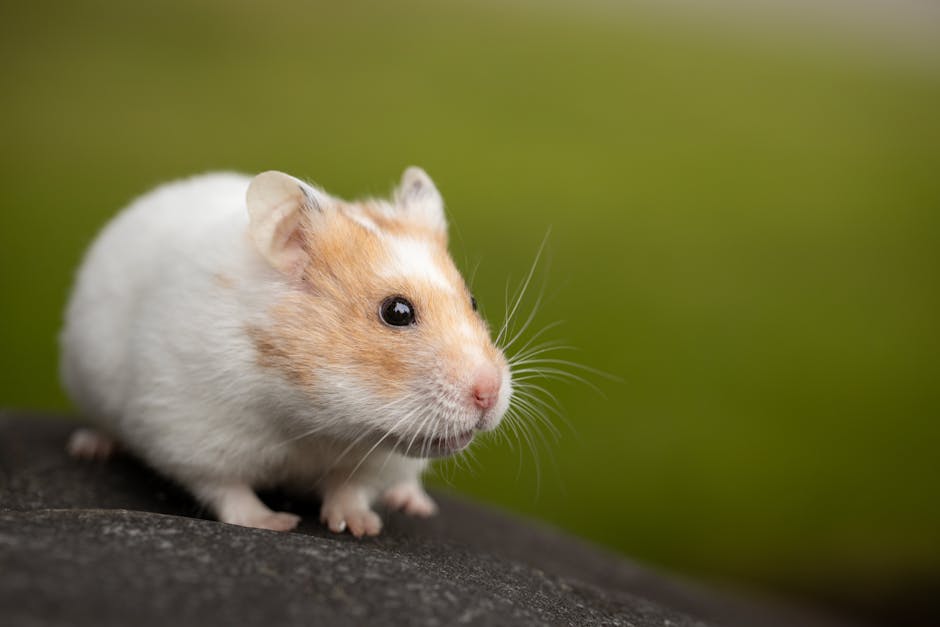
5. Hamster
Hamsters are small, inexpensive, and entertaining. They are nocturnal, which means they are most active in the evening when busy people tend to be home. Their cage fits on a desk or dresser, and daily care is straightforward.
- Daily time commitment: 10 to 15 minutes (feeding, water change, spot cleaning, handling)
- Space needed: Minimum 450 square inches of floor space (many standard cages are too small)
- Initial setup cost: $80 to $150 (cage, bedding, wheel, water bottle, food dish, hideout)
- Monthly cost: $15 to $25 (bedding, food, treats)
- Lifespan: 2 to 3 years
Pros: Small space requirements, entertaining to watch, nocturnal schedule suits working people, relatively inexpensive, can be handled with patience and gentle socialization.
Cons: Short lifespan, nocturnal wheel-running can be noisy, cage requires weekly deep cleaning, bite risk if not socialized properly, solitary animals (Syrian hamsters should be kept alone).
6. Corn Snake
Corn snakes are one of the most beginner-friendly snake species. They are docile, non-venomous, beautifully patterned, and eat on an infrequent schedule that suits busy owners perfectly. A well-fed corn snake only needs a meal every one to two weeks.
- Daily time commitment: 2 to 5 minutes (water check, temperature check, observation)
- Space needed: 20 to 40-gallon terrarium depending on age
- Initial setup cost: $150 to $300 (tank, heating, thermometer, hides, water dish, substrate)
- Monthly cost: $10 to $20 (frozen mice, substrate, electricity for heating)
- Lifespan: 15 to 20 years
Pros: Feeding only every 7 to 14 days, calm and handleable, no noise, no odor, hypoallergenic, striking appearance, no daily walks or exercise required.
Cons: Requires frozen rodent feeding (squeamish owners beware), specific temperature and humidity needs, long lifespan commitment, some landlords prohibit snakes, limited veterinary access.
7. Guinea Pig
Guinea pigs are social, vocal, and more interactive than most small pets. They are the most maintenance-intensive small animal on this list, but their personality and responsiveness make the extra effort worthwhile for many owners. They recognize their owners, vocalize when happy, and enjoy being held.
- Daily time commitment: 20 to 30 minutes (feeding, hay refill, water, spot cleaning, social interaction)
- Space needed: Minimum 7.5 square feet for one, 10.5 square feet for two (they should be kept in pairs)
- Initial setup cost: $100 to $250 (cage, bedding, water bottle, food dish, hideouts, hay rack)
- Monthly cost: $30 to $50 (hay, pellets, fresh vegetables, bedding)
- Lifespan: 5 to 7 years
Pros: Social and responsive, vocal communication (wheeks when they hear food bags), enjoy handling, active during the day, gentle temperament, good with older children.
Cons: Need a companion guinea pig, larger cage than hamsters, require daily fresh vegetables, cage needs frequent cleaning, more expensive than smaller pets, some veterinary care is specialized.
8. Budgie (Parakeet)
Budgies are small, colorful, and surprisingly intelligent. They can learn to mimic words, enjoy interacting with their owners, and provide lively companionship. They are the most social pet on this list after cats and require dedicated daily interaction to thrive.
- Daily time commitment: 30 to 45 minutes (feeding, water change, cage cleaning, out-of-cage time, interaction)
- Space needed: Minimum 18 by 18 by 18 inch cage, plus room for supervised flying
- Initial setup cost: $100 to $200 (cage, perches, toys, food dishes, cuttlebone)
- Monthly cost: $20 to $35 (seed and pellet mix, fresh foods, toy rotation)
- Lifespan: 5 to 10 years (up to 15 with excellent care)
Pros: Intelligent and interactive, can learn to talk, beautiful and colorful, entertaining personality, relatively affordable, small space footprint.
Cons: Can be noisy (chattering and chirping throughout the day), need daily out-of-cage time, cage requires frequent cleaning, sensitive to drafts and fumes (including non-stick cookware fumes), need social interaction to stay tame.
Comparison Table
| Pet | Daily Time | Space | Setup Cost | Monthly Cost | Lifespan | Interaction Level |
|---|---|---|---|---|---|---|
| Betta Fish | 2-5 min | 5-gal tank | $50-100 | $5-15 | 3-5 yrs | Observation only |
| Leopard Gecko | 5-10 min | 20-gal tank | $150-300 | $15-30 | 15-20 yrs | Handleable |
| Hermit Crab | 5-10 min | 10-gal tank | $80-150 | $10-20 | 10-15 yrs | Observation mostly |
| Cat | 20-30 min | Any home | $200-500 | $50-100 | 12-18 yrs | Highly interactive |
| Hamster | 10-15 min | Cage (450+ sq in) | $80-150 | $15-25 | 2-3 yrs | Handleable |
| Corn Snake | 2-5 min | 20-40 gal tank | $150-300 | $10-20 | 15-20 yrs | Handleable |
| Guinea Pig | 20-30 min | Cage (7.5+ sq ft) | $100-250 | $30-50 | 5-7 yrs | Very interactive |
| Budgie | 30-45 min | Cage + fly space | $100-200 | $20-35 | 5-10 yrs | Highly interactive |
What “Low Maintenance” Actually Means
It is important to address a common misconception: low maintenance does not mean no maintenance. Every animal on this list is a living creature that depends entirely on its owner for food, shelter, health care, and quality of life. “Low maintenance” simply means the daily time commitment is smaller and the care routine is less complex compared to a dog or a high-maintenance pet.
Even a betta fish will suffer and die prematurely if its tank is not maintained, its water temperature is not regulated, or its health is ignored. A leopard gecko that is fed improperly or housed in a tank without adequate heating will develop metabolic bone disease. A hamster in a cage that is too small will develop stress behaviors and health problems.
The responsibility of pet ownership exists regardless of the animal’s size or price. Research the specific needs of your chosen pet before purchasing, set up the habitat correctly from the start, and commit to the care routine even on days when it feels inconvenient.
⚠️ Important: Low maintenance does not mean no maintenance. Every animal on this list depends entirely on its owner for food, shelter, health care, and quality of life.
Common Myths About Low-Maintenance Pets
Myth: Fish can live in bowls. A fishbowl does not provide adequate space, filtration, or temperature stability for any fish, including bettas. A minimum five-gallon tank with a filter and heater is the ethical baseline.
Myth: Hamsters are disposable starter pets. Hamsters experience stress, pain, and fear just like larger animals. Their short lifespan does not diminish the quality of care they deserve during that time.
Myth: Reptiles do not need veterinary care. Reptiles hide illness extremely well. By the time a gecko or snake looks sick, it may be critically ill. Annual veterinary checkups with a reptile-experienced vet are recommended.
Myth: Cats take care of themselves. Cats are more independent than dogs, but they still need daily feeding, clean litter, mental stimulation, social interaction, and regular veterinary care. A neglected cat develops behavioral and health problems just like any other neglected animal.
Myth: Low-maintenance means low cost. Setup costs for reptiles, fish tanks, and proper small animal enclosures can be surprisingly high. Monthly costs are modest, but the initial investment in a proper habitat is non-negotiable.
Choosing a low-maintenance pet that matches your lifestyle, budget, and available time creates a rewarding relationship for both you and the animal. The pets on this list prove that meaningful companionship does not require hours of daily care — it just requires consistent, thoughtful care within a schedule that works for your life.