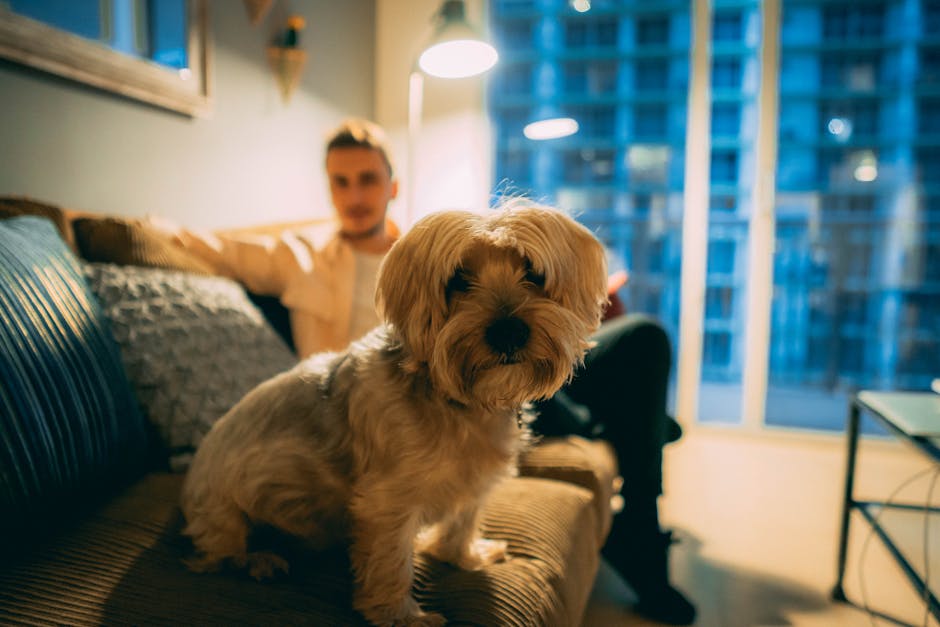
Apartment Dog Suitability
Living in an apartment does not mean living without a dog. Millions of city dwellers successfully share small spaces with canine companions, and many dog breeds actually prefer the cozier indoor life to sprawling yards they would never fully use.
✨ Quick Summary: 12 dog breeds that thrive in apartments, ranked by energy level, barking tendency, and exercise needs — plus practical tips for noise training, potty solutions, and neighbor etiquette.
The key to apartment dog ownership is choosing a breed whose energy level, noise output, and exercise needs match the realities of small-space living. This guide profiles twelve breeds that thrive in apartments and covers the practical essentials of apartment dog ownership.
What Makes a Dog Apartment-Friendly
Before reviewing specific breeds, it helps to understand the traits that make a dog well-suited to apartment living.
Low to moderate energy indoors. The dog should be calm inside the home, even if it is active during walks and play sessions. A dog that paces, zooms, or bounces off walls in a small space creates problems for everyone.
Low barking tendency. Apartments share walls. A dog that barks at every footstep in the hallway, every door closing, or every siren will generate neighbor complaints quickly. Quiet breeds or breeds that bark only when there is genuine cause are essential.
Moderate exercise needs. A breed that requires two hours of vigorous daily exercise is difficult to manage without a yard. Apartment dogs should be satisfied with regular walks and indoor play rather than requiring constant outdoor running.
Good temperament in close quarters. Dogs that are anxious, territorial, or reactive to noise do poorly in apartments where stimuli are constant and close.
💡 Pro Tip: Size alone does not determine apartment suitability. Some large breeds like Greyhounds are perfectly happy in apartments, while some small breeds like Jack Russell Terriers are too energetic and vocal.
The 12 Best Apartment Dogs
1. French Bulldog
French Bulldogs were practically designed for apartment living. They are compact, relatively quiet, and perfectly content to spend most of their day lounging near their owner. Their exercise needs are modest, and their playful personality comes in short bursts rather than sustained manic energy.
- Size: 16 to 28 pounds
- Energy level: Low to moderate
- Noise level: Low — barks occasionally but not a nuisance barker
- Daily exercise needs: 20 to 30 minutes of walks plus indoor play
- Grooming: Minimal — short coat, weekly brushing
- Why they work in apartments: Calm indoor demeanor, compact size, minimal barking, love of lounging
2. Cavalier King Charles Spaniel
Cavaliers are among the most adaptable dogs in existence. They match their energy to their environment — active when you are active, calm when you are calm. Their gentle temperament makes them ideal for apartments with thin walls and close neighbors.
- Size: 13 to 18 pounds
- Energy level: Low to moderate
- Noise level: Low — not prone to excessive barking
- Daily exercise needs: 30 to 45 minutes of walks
- Grooming: Moderate — regular brushing to maintain the silky coat
- Why they work in apartments: Adaptable energy, quiet nature, small enough for any space
3. Greyhound
This surprises most people. Greyhounds are the ultimate couch potatoes despite being the fastest dog breed. After their racing or exercise session, they want nothing more than to curl up on the softest surface available and sleep. They are calm, quiet, and remarkably gentle indoors.
- Size: 60 to 70 pounds
- Energy level: Low indoors, moderate outdoors
- Noise level: Very low — rarely bark
- Daily exercise needs: 30 to 45 minutes of walking with occasional sprinting opportunities
- Grooming: Minimal — short coat, infrequent bathing
- Why they work in apartments: Extremely calm indoors, almost never bark, prefer sleeping to running when inside
4. Bichon Frise
Bichons are cheerful, hypoallergenic, and well-sized for small spaces. They are social dogs that thrive on human interaction and are generally quiet unless left alone for extended periods. Their playful energy is manageable and burns off quickly.
- Size: 12 to 18 pounds
- Energy level: Moderate
- Noise level: Low to moderate — may bark at the door but settles quickly
- Daily exercise needs: 30 minutes of walks plus indoor play
- Grooming: High — requires regular professional grooming every 4 to 6 weeks
- Why they work in apartments: Hypoallergenic, compact, adaptable, minimal shedding
5. Shih Tzu
Shih Tzus were bred as companion dogs for Chinese royalty, and they retain that preference for comfortable indoor living. They are affectionate without being demanding, enjoy moderate play, and are content to sit near their owner for hours.
- Size: 9 to 16 pounds
- Energy level: Low
- Noise level: Low to moderate — alert barkers but trainable
- Daily exercise needs: 20 to 30 minutes of short walks
- Grooming: High — long coat requires daily brushing or can be kept in a shorter puppy cut
- Why they work in apartments: Very low exercise needs, small size, bred for indoor companionship
6. Pug
Pugs are charismatic, comical, and built for apartment life. They crave human company and are happiest when they are in the same room as their owner. Their exercise needs are modest, and their compact size fits any living space.
- Size: 14 to 18 pounds
- Energy level: Low to moderate
- Noise level: Moderate — some barking and snoring (significant snoring)
- Daily exercise needs: 20 to 30 minutes of gentle walks
- Grooming: Moderate — short coat but heavy shedding, facial wrinkles need regular cleaning
- Why they work in apartments: Low exercise needs, comedic personality, extremely social
7. Boston Terrier
Boston Terriers earn the nickname “American Gentleman” for their tuxedo-like markings and polite disposition. They are energetic enough to be fun but manageable enough for a one-bedroom apartment. They are intelligent, responsive to training, and generally quiet.
- Size: 12 to 25 pounds
- Energy level: Moderate
- Noise level: Low — less vocal than most terrier breeds
- Daily exercise needs: 30 to 45 minutes of walks and play
- Grooming: Minimal — short coat, occasional brushing
- Why they work in apartments: Well-mannered, compact, moderate energy, quiet for a terrier
8. Maltese
Maltese dogs are tiny, elegant, and perfectly designed for small-space living. They form deep bonds with their owner and are content in any space where their person is present. Despite their delicate appearance, they are surprisingly playful and resilient.
- Size: 4 to 7 pounds
- Energy level: Low to moderate
- Noise level: Moderate — can be yappy if not trained
- Daily exercise needs: 20 to 30 minutes of walks plus indoor play
- Grooming: High — long coat requires daily brushing or regular professional grooming
- Why they work in apartments: Very small, hypoallergenic, minimal exercise needs
9. Chihuahua
Chihuahuas are the smallest dog breed and therefore physically suited to any space. They are loyal, alert, and bond intensely with their primary person. Their exercise needs are minimal, and they can get adequate movement from indoor play alone on days when outdoor walks are not possible.
- Size: 2 to 6 pounds
- Energy level: Low to moderate
- Noise level: High — naturally alert and vocal; training is essential
- Daily exercise needs: 20 to 30 minutes
- Grooming: Minimal for short coat variety; moderate for long coat
- Why they work in apartments: Extremely small, minimal exercise needs, portable
10. Basenji
Basenjis are known as the barkless dog — they do not bark in the traditional sense but instead produce a unique yodel-like sound called a barroo. This makes them one of the quietest dog breeds and ideal for noise-sensitive apartment environments. They are independent, clean, and cat-like in their grooming habits.
- Size: 22 to 24 pounds
- Energy level: Moderate to high
- Noise level: Very low — no traditional barking
- Daily exercise needs: 40 to 60 minutes of walks and mental stimulation
- Grooming: Minimal — short coat, self-grooming habits
- Why they work in apartments: Virtually silent, clean, compact, no doggy odor
11. English Bulldog
English Bulldogs are calm, dignified, and deeply attached to their routines and their people. They have very low energy levels and prefer short walks followed by long naps. Their sturdy build and calm demeanor make them unfazed by the noise and activity typical of apartment buildings.
- Size: 40 to 50 pounds
- Energy level: Low
- Noise level: Low — snoring is louder than any barking
- Daily exercise needs: 20 to 30 minutes of short walks
- Grooming: Moderate — wrinkles need regular cleaning, short coat is easy
- Why they work in apartments: Extremely low energy, calm temperament, unfazed by apartment noises
12. Havanese
The Havanese is Cuba’s national dog and a natural apartment companion. They are social, trainable, and hypoallergenic. Their energy is playful but not overwhelming, and they are one of the friendliest breeds toward strangers — a useful trait when you share hallways and elevators with neighbors.
- Size: 7 to 13 pounds
- Energy level: Moderate
- Noise level: Low to moderate — responsive to training
- Daily exercise needs: 30 minutes of walks plus indoor play
- Grooming: High — silky coat requires regular brushing or professional grooming
- Why they work in apartments: Hypoallergenic, friendly with neighbors, adaptable, trainable
Breed Comparison Table
| Breed | Size (lbs) | Energy | Noise | Exercise (min/day) | Grooming |
|---|---|---|---|---|---|
| French Bulldog | 16-28 | Low-Mod | Low | 20-30 | Minimal |
| Cavalier King Charles | 13-18 | Low-Mod | Low | 30-45 | Moderate |
| Greyhound | 60-70 | Low (indoor) | Very Low | 30-45 | Minimal |
| Bichon Frise | 12-18 | Moderate | Low-Mod | 30 | High |
| Shih Tzu | 9-16 | Low | Low-Mod | 20-30 | High |
| Pug | 14-18 | Low-Mod | Moderate | 20-30 | Moderate |
| Boston Terrier | 12-25 | Moderate | Low | 30-45 | Minimal |
| Maltese | 4-7 | Low-Mod | Moderate | 20-30 | High |
| Chihuahua | 2-6 | Low-Mod | High | 20-30 | Minimal |
| Basenji | 22-24 | Mod-High | Very Low | 40-60 | Minimal |
| English Bulldog | 40-50 | Low | Low | 20-30 | Moderate |
| Havanese | 7-13 | Moderate | Low-Mod | 30 | High |
Apartment Dog Essentials
Exercise Alternatives for Small Spaces
When weather or schedules prevent outdoor walks, keep your dog physically and mentally stimulated indoors:
- Hallway fetch works in long apartment corridors during quiet hours
- Tug-of-war provides vigorous exercise in a small footprint
- Puzzle feeders and snuffle mats offer mental stimulation that tires a dog as effectively as physical exercise
- Stairwell walks (if your building allows it) provide an excellent cardio workout
Noise Training
Start noise training from day one. Teach a “quiet” command using positive reinforcement — reward silence rather than punishing barking. Desensitize your dog to common apartment sounds like door knocks, hallway voices, and elevator dings by playing recordings at low volume and gradually increasing while rewarding calm behavior.
Potty Solutions
Establish a reliable outdoor schedule. Most apartment dogs need three to four outings per day: morning, midday (if possible), afternoon, and before bed. For emergencies, keep an indoor potty pad near the door. If you have a balcony, a grass patch tray can serve as a convenient relief station. For puppies, expect more frequent trips and build extra time into your schedule for elevator rides.
Neighbor Etiquette
Always leash your dog in common areas. Clean up after your dog immediately. Keep your dog from jumping on neighbors, even if your dog is friendly and the interaction seems welcome. Not everyone is comfortable with dogs, and respecting shared space is essential for maintaining positive relationships in your building.
A well-chosen, well-trained dog can be one of the best companions for apartment living. The breeds on this list have proven track records in small spaces, and with proper exercise, training, and enrichment, they will be just as happy in your apartment as any dog in a house with a yard.