Container Size Guide
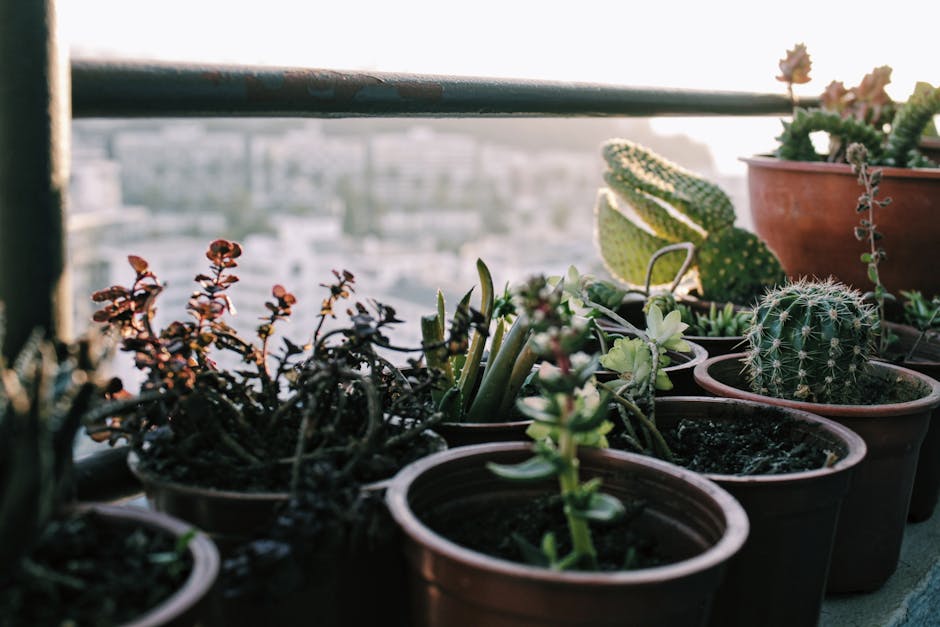
Container gardening removes the biggest barriers to growing food and flowers: you do not need a yard, garden beds, or even direct ground access. A sunny balcony, patio, rooftop, stoop, or windowsill is enough to grow a meaningful collection of vegetables, herbs, and ornamental plants.
✨ Quick Summary: No yard? No problem. Container gardening lets you grow vegetables, herbs, and flowers on balconies, patios, and windowsills. This guide covers choosing the right pots, soil, watering techniques, and the best plants for small-space growing.
Millions of urban and apartment dwellers grow productive gardens entirely in containers, and the techniques apply equally well to homeowners who want flexibility, mobility, or better soil control.
This guide covers every aspect of container gardening from choosing the right pot to harvesting your crops, with specific guidance for small-space situations where every square foot matters.
Choosing Containers: Material Comparison
The container material affects drainage, weight, temperature, cost, and aesthetics. No single material is best for every situation, so choose based on your priorities.
| Material | Weight | Drainage | Insulation | Durability | Cost | Best For |
|---|---|---|---|---|---|---|
| Terracotta/Clay | Heavy | Excellent (porous) | Good | Moderate (breakable) | $5-$30 | Herbs, ornamentals |
| Plastic | Light | Good (with holes) | Poor | Good | $2-$15 | Vegetables, balconies |
| Fabric (Grow Bags) | Very light | Excellent | Moderate | 2-3 seasons | $3-$10 | Vegetables, root crops |
| Ceramic (Glazed) | Very heavy | Moderate (non-porous) | Good | Moderate (breakable) | $15-$80 | Ornamentals, patios |
| Wood | Moderate | Good | Excellent | 3-5 years | $10-$50 | Raised planters |
| Metal | Moderate | Good (with holes) | Poor (heats up) | Excellent | $10-$40 | Modern/industrial look |
| Self-watering | Varies | Built-in reservoir | Good | Good | $15-$50 | Tomatoes, busy schedules |
Key Guidelines
Drainage is non-negotiable. Every container must have drainage holes in the bottom. Standing water drowns roots within days. If you fall in love with a decorative pot that lacks drainage holes, use it as a cachepot (outer decorative shell) with a slightly smaller plastic pot inside that has proper drainage.
Bigger is usually better. Larger containers hold more soil, which retains moisture longer and gives roots more room. The extra soil volume also buffers temperature swings that stress plants in small pots. When in doubt, go one size larger than you think you need.
Color matters in hot climates. Dark containers absorb heat and can cook roots on sunny patios. In hot regions, choose light-colored pots or wrap dark containers with reflective material. In cool climates, dark pots provide beneficial warmth.
⚠️ Important: Never use garden soil in containers. It compacts, blocks drainage, and suffocates roots. Always use commercial potting mix, which is engineered to stay loose and well-aerated in the confined space of a pot.
Container Size Guide
Matching the right container size to each plant is essential for healthy growth. Too small and roots become cramped. Too large and excess soil stays wet, promoting rot.
| Plant | Minimum Container Size | Ideal Depth | Notes |
|---|---|---|---|
| Lettuce and greens | 6 inches (1-2 gallon) | 6 inches | Shallow roots, wide pots work |
| Herbs (basil, cilantro) | 6-8 inches (1-2 gallon) | 8 inches | Multiple herbs per large pot |
| Radishes | 6 inches (2 gallon) | 6 inches | Shallow, fast-growing |
| Beans (bush) | 8-10 inches (3-5 gallon) | 8 inches | No trellis needed for bush types |
| Peppers | 12 inches (5 gallon) | 12 inches | One plant per 5-gallon pot |
| Cherry tomatoes | 14 inches (5-10 gallon) | 12+ inches | Larger pots yield more fruit |
| Full-size tomatoes | 18 inches (10-15 gallon) | 14+ inches | Need support (cage or stake) |
| Cucumbers | 12 inches (5 gallon) | 12 inches | Provide a small trellis |
| Strawberries | 8-12 inches (3-5 gallon) | 8 inches | Great in hanging baskets |
| Dwarf fruit trees | 18-24 inches (15-25 gallon) | 18+ inches | Citrus, fig, blueberry |
Potting Mix: The Foundation of Container Gardening
Never use garden soil in containers. This is the most important rule of container gardening. Garden soil compacts in the confined volume of a pot, squeezing out air spaces that roots need to breathe. It also drains poorly in containers, creating waterlogged conditions that promote root rot. Additionally, garden soil may carry weed seeds, disease organisms, and insect eggs.
Use commercial potting mix. Quality potting mix is engineered for container growing. It typically contains:
- Peat moss or coconut coir for moisture retention
- Perlite (white volcanic glass beads) for drainage and aeration
- Vermiculite for moisture retention and mineral content
- Composted bark for structure
For vegetable containers, look for potting mix labeled for vegetables or edibles. Some mixes include a starter fertilizer charge that feeds plants for the first few weeks.
Refresh potting mix annually. Potting mix breaks down over one to two seasons, losing its structure and aeration. Replace or significantly amend the mix in each container at the start of every growing season. Old potting mix can be composted or mixed into garden beds.
What to Grow in Containers
Vegetables
Almost any vegetable can grow in a container if the pot is large enough. Focus on these productive, space-efficient options:
Cherry and grape tomatoes are more productive in containers than large-fruited varieties. Look for determinate (bush) varieties that stay compact. Patio-specific varieties like Tumbling Tom, Tiny Tim, and Patio Princess are bred for container culture.
Peppers of all types thrive in 5-gallon containers. Both sweet and hot peppers produce heavily in pots and respond well to the warm microclimate containers provide.
Lettuce and salad greens have shallow roots and grow quickly in wide, shallow containers. Succession plant every 2-3 weeks for a continuous harvest.
Bush beans produce generously in containers without needing a trellis. Plant seeds 4 inches apart and harvest frequently to encourage continued production.
Radishes mature in 25-30 days, making them the fastest container crop. They serve as a good companion for slower-growing crops in larger pots.
Herbs
Herbs are the most practical and rewarding container crops. They grow well in small pots, stay within arm’s reach of the kitchen, and their concentrated growth habit suits containers perfectly.
A single large container (12-14 inches) can hold a combination of basil, parsley, thyme, and chives. Group herbs with similar water needs together: basil and parsley like consistent moisture, while rosemary, thyme, and sage prefer drier conditions.
Flowers
Annuals like petunias, marigolds, geraniums, and impatiens are classic container flowers. Mix trailing varieties with upright types for a full, dynamic display. Use the thriller-filler-spiller framework:
- Thriller: one tall focal point plant
- Filler: several medium plants to fill in
- Spiller: trailing plants to cascade over the edge
Fruit
Strawberries are outstanding container plants, especially in hanging baskets where the fruit dangles over the edge for easy picking. Dwarf citrus trees, blueberry bushes, and fig trees all perform well in large containers (15-25 gallons) and can be moved indoors in cold climates.
💡 Pro Tip: Herbs are the single best starting point for container gardening. They grow fast, require small pots, tolerate beginner mistakes, and provide an immediate payoff every time you cook.
Watering Container Gardens
Containers dry out significantly faster than in-ground gardens. The limited soil volume, exposure to air on all sides, and plant roots filling the container all contribute to rapid moisture loss.
Check daily in summer. Push your finger one inch into the soil. If it feels dry, water thoroughly. In the peak of summer, small containers may need watering twice daily.
Water until it drains. Always water until you see water flowing from the drainage holes. This ensures the entire root zone is saturated and flushes accumulated mineral salts from the soil. Shallow watering encourages roots to stay near the surface, making plants more drought-vulnerable.
Water in the morning. Morning watering gives plants the moisture they need for the hottest part of the day. Evening watering leaves foliage and soil wet overnight, which promotes fungal diseases.
Self-watering containers are an excellent investment for busy gardeners. They have a built-in reservoir that wicks water up into the soil as the plant needs it. This provides consistent moisture and can extend the time between manual watering to every 3-5 days even in summer.
Drip irrigation can be set up for container gardens with a timer, small tubing, and individual drip emitters for each pot. This is the ultimate solution for large container collections or for gardeners who travel frequently.
Fertilizing Schedule
Container plants need more frequent fertilizing than in-ground plants because nutrients wash out with each watering.
At planting: Mix a slow-release granular fertilizer into the potting mix according to package directions. This provides a baseline nutrient supply for 3-4 months.
Every 2 weeks during active growth: Supplement with a half-strength liquid fertilizer (fish emulsion, seaweed extract, or balanced synthetic fertilizer) mixed into your watering can. This replaces the nutrients that drain out with regular watering.
Reduce in fall and winter. Plants growing in containers during cooler months need less fertilizer as growth slows. Reduce to monthly applications or stop entirely for dormant plants.
Watch for signs of deficiency:
- Yellow lower leaves often indicate nitrogen deficiency
- Purple-tinted leaves suggest phosphorus deficiency
- Brown leaf edges may signal potassium deficiency
Adjust your fertilizer accordingly.
Vertical Gardening for Maximum Space
When horizontal space is limited, grow up. Vertical gardening techniques dramatically increase your growing capacity in small areas.
- Trellises and cages support climbing crops like tomatoes, cucumbers, beans, and peas in containers. A 5-gallon pot with a small trellis produces as many cucumbers as a sprawling ground plant using a fraction of the floor space.
- Stacked planters use tiered designs that stack multiple planting levels vertically. Strawberries, herbs, and flowers are well-suited to stacked planting systems.
- Wall-mounted planters attach directly to walls, fences, and railings. They are ideal for herbs, lettuce, and small flowers. Pocket planters made from felt or fabric hold multiple plants on a vertical surface.
- Hanging baskets use overhead space that would otherwise be empty. Trailing tomatoes, strawberries, herbs, and flowering plants all perform well in hanging containers.
Balcony Weight Limits and Sun Mapping
Before loading your balcony with containers, consider structural limitations and sun exposure.
Weight limits are real. A 5-gallon container filled with wet potting mix weighs approximately 40-50 pounds. A dozen containers can easily add 500 or more pounds to a balcony. Check your building codes or lease agreement for balcony weight limits. Distribute weight along the edges near the building rather than clustering containers at the railing.
Map your sun exposure. Spend one day tracking which areas of your balcony or patio receive direct sun and for how long. Morning sun (east-facing), midday sun (south-facing), and afternoon sun (west-facing) each favor different plants. North-facing balconies receive no direct sun and are limited to shade-tolerant plants like lettuce, spinach, and herbs like parsley and mint.
Wind exposure affects watering. Upper-floor balconies and rooftops are windier, which dries soil and stresses plants faster. Use heavier pots, group containers together to create a windbreak, and expect to water more frequently.
Container gardening adapts to virtually any living situation. Whether you have a sprawling patio or a single sunny windowsill, there are productive plants that fit your space. Start with a few containers of herbs and one or two vegetables, learn how your specific conditions affect your plants, and expand as your confidence grows.